Category: African Culture
Authentic African Identity
When we use the word authentic African identity, ” it needs to be defined not on an individualistic level but at a communal level, because, in all honesty, no identity is “authentic”; everything we do as humans on a cultural level is shaped by our social-political environment.
An empire of cloth: the textile industry of the Sokoto Empire
Hausaland region of northern Nigeria was home to one of the largest textile industries in pre-colonial Africa, whose scale and scope were unparalleled throughout most of the continent.
The African Diaspora
Malcolm X said, if chickens are raised in an oven they are called chickens, not biscuits. People on the continent of Africa just like people in the Diaspora have been visited by the same level of destruction. In Africa, as in the UK as in America, as in South America as in the Caribbean have devalued our own clothes.

Made in Africa
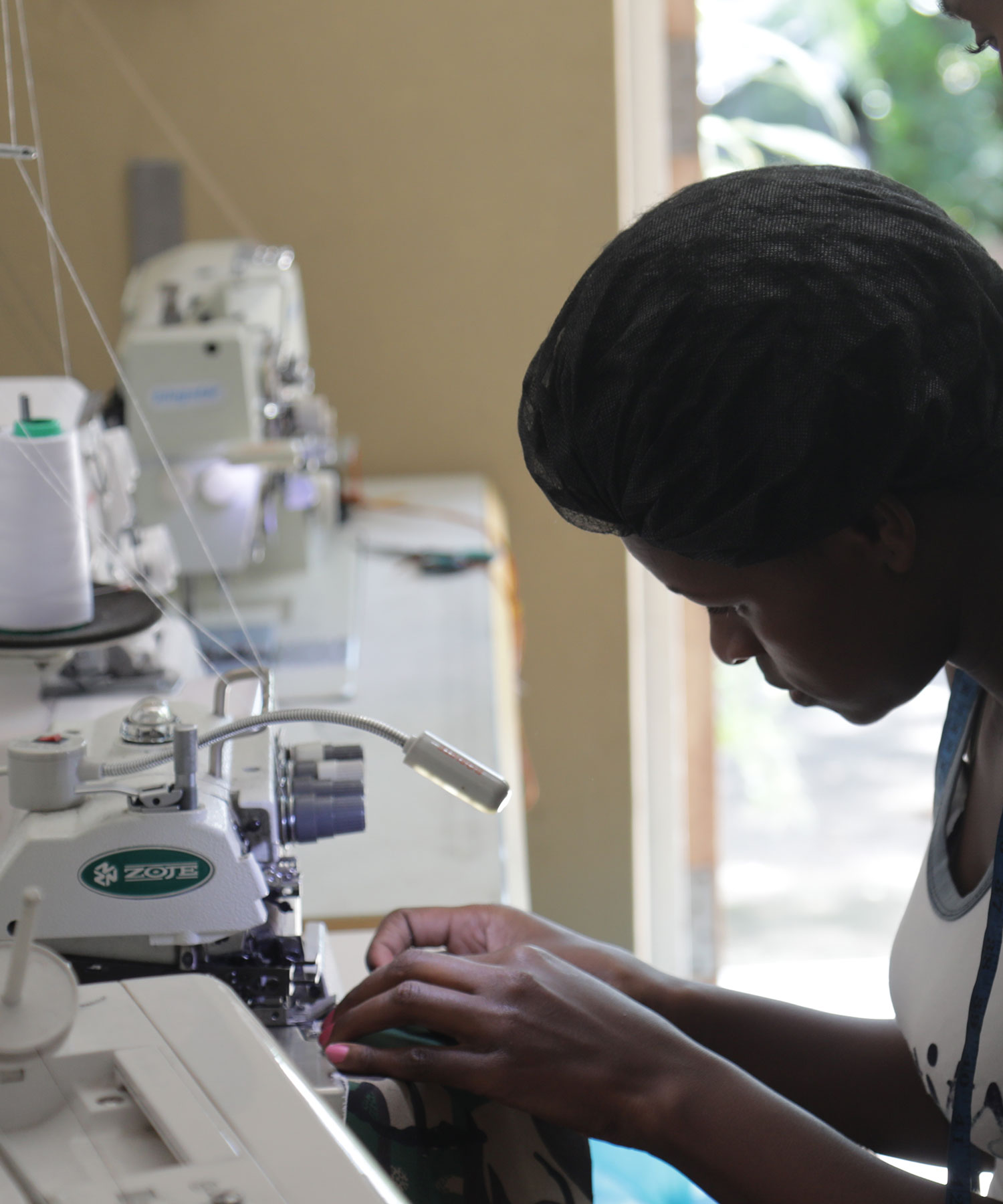
Take a look at the tag on any clothing item, or technology. Certain names are dominant: made in China, made in the USA, made in India, made in Korea. Where is “made in Africa”? Where “Africa” means owned and controlled by native Africans, and “made” means the cultural expression of African people.
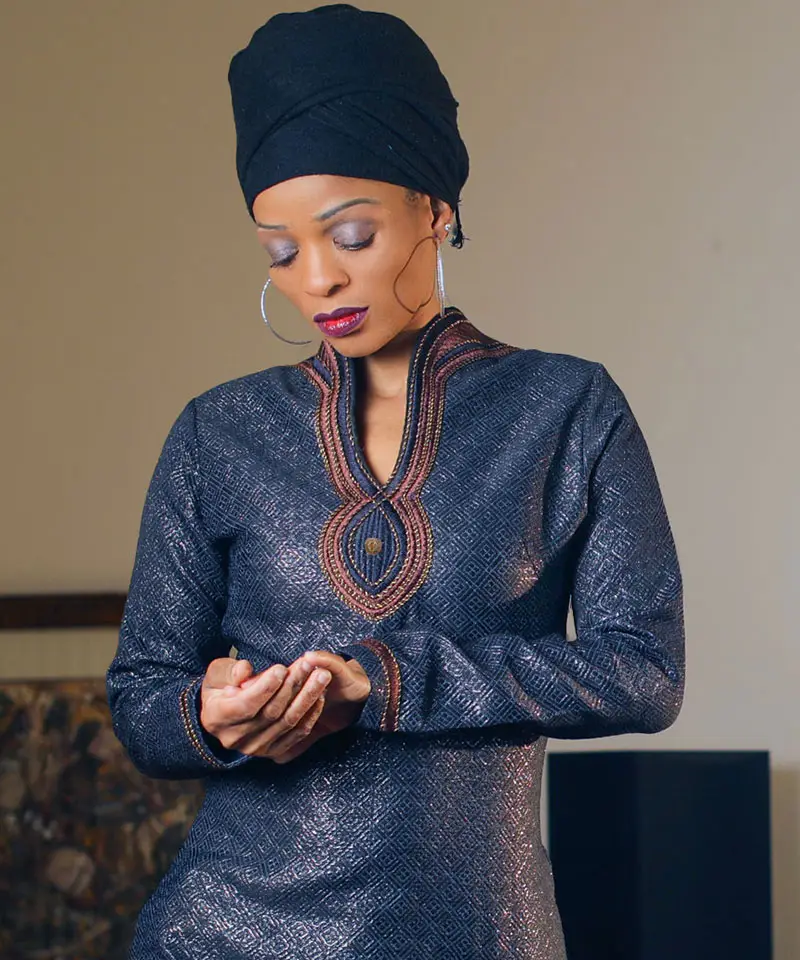
Clothes, culture, and politics
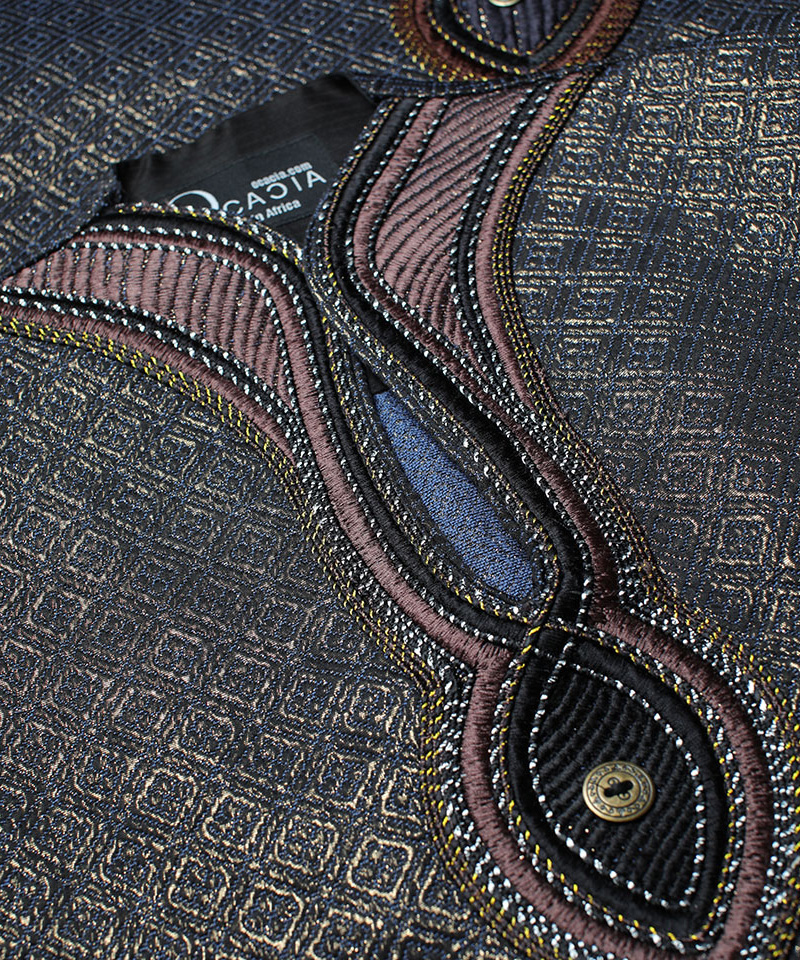
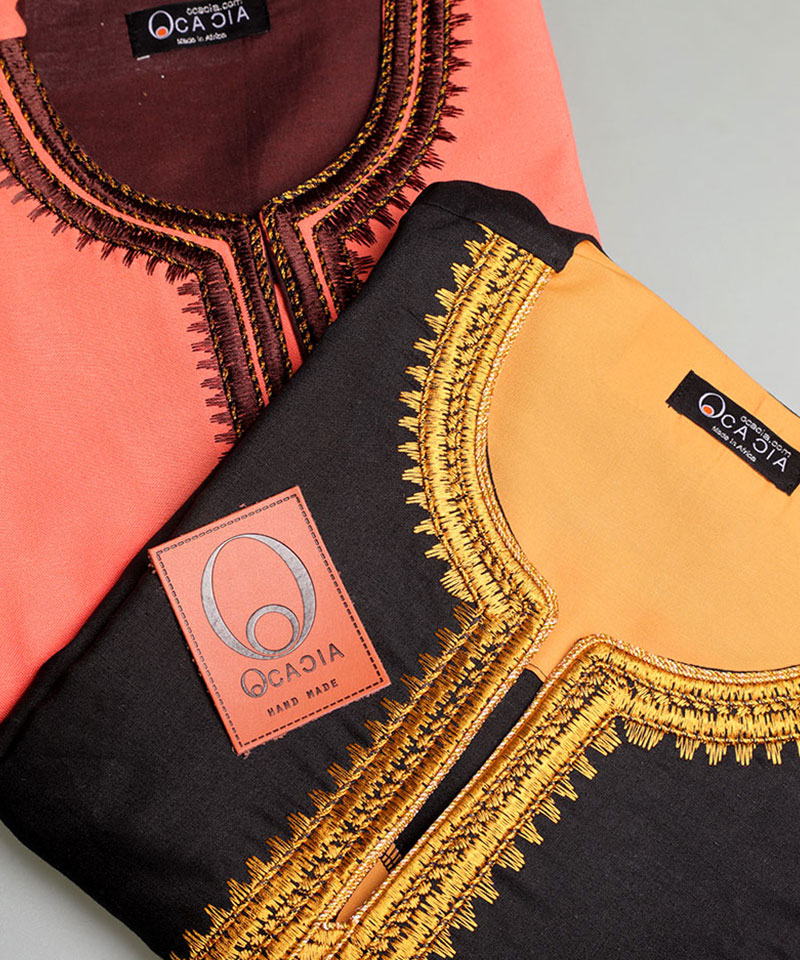
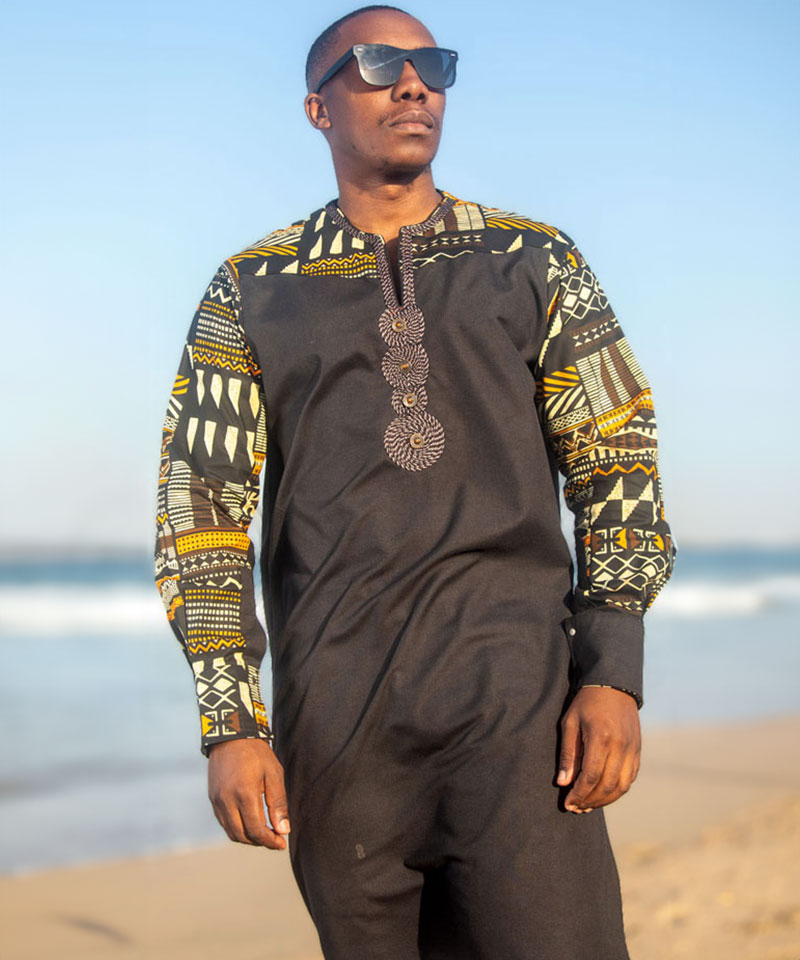
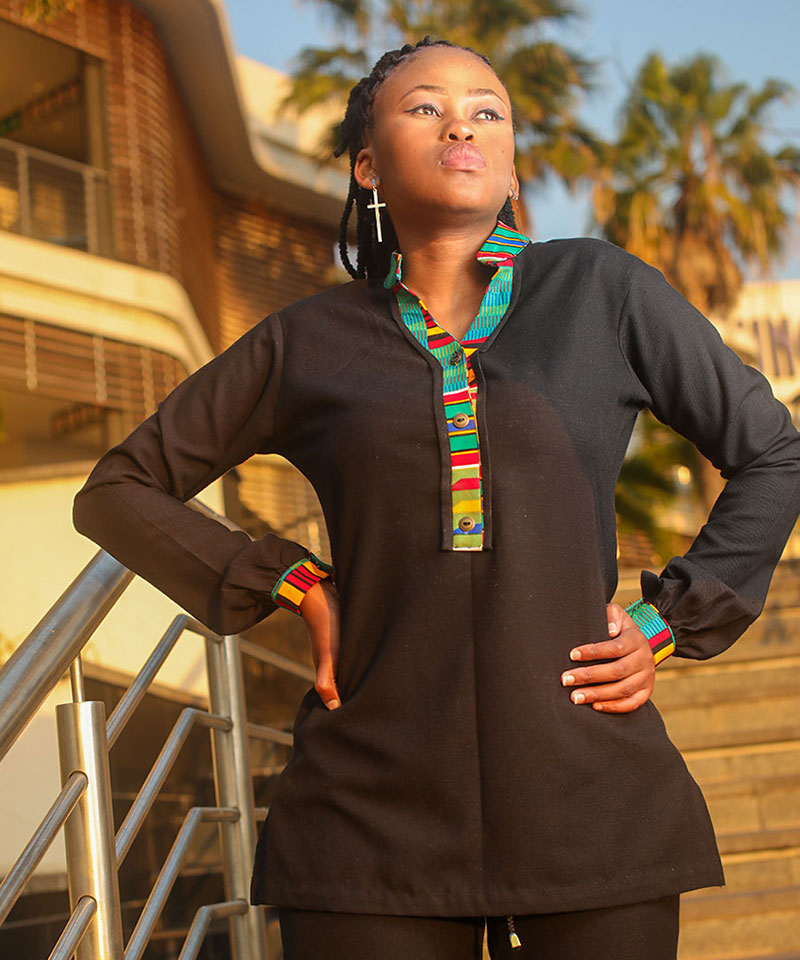
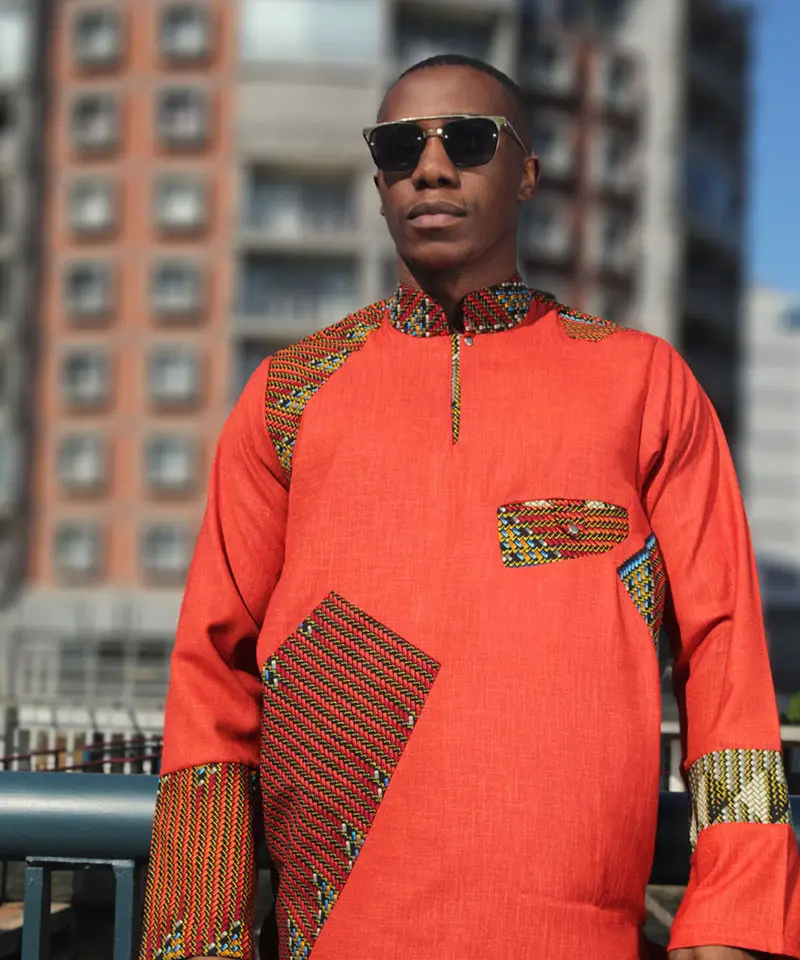
Clothes are our culture. Ocacia focuses on modern African clothes that draw on contemporary styles with Traditional aesthetics. We study the clothes we make, not just throw a giraffe and a drum on a dashiki and say “There you go” Serious people take their culture seriously. And we make clothes with some kind of symbolic meaning and for political purposes. And this attitude to African culture is dying and we want to make sure we do our part to add back value and purpose to the ancient craft. There are people in Africa who make these shirts with these symbols on it and do not have a clue what they mean. It is like the African mask industry which has lost all its spiritual connection. They are now just masks for tourist consumption. At Ocacia we are giving you clothes with the history, culture, and meaning behind every stitch. We not randomly throwing design elements into garments because they are cute. Our Kua (aka Kuba top) is based upon our research in the DRC, our Ethiopian Saba top is based upon a study of the Ethiopian Cross. It is respect for the cultures we represent. It is a terrible day when Africans sing songs and make clothes with total ignorance.