Authentic African Identity
When we use the word authentic African identity, ” it needs to be defined not on an individualistic level but at a communal level, because, in all honesty, no identity is “authentic”; everything we do as humans on a cultural level is shaped by our social-political environment. We respond to it, but how we respond determines the cultural survival of our group. But Africa has never been static, and that did not start with the coming of Islam or Christianity; it has, from the days of Adam, been transforming itself on many fronts, never creating monoliths or pure identities.

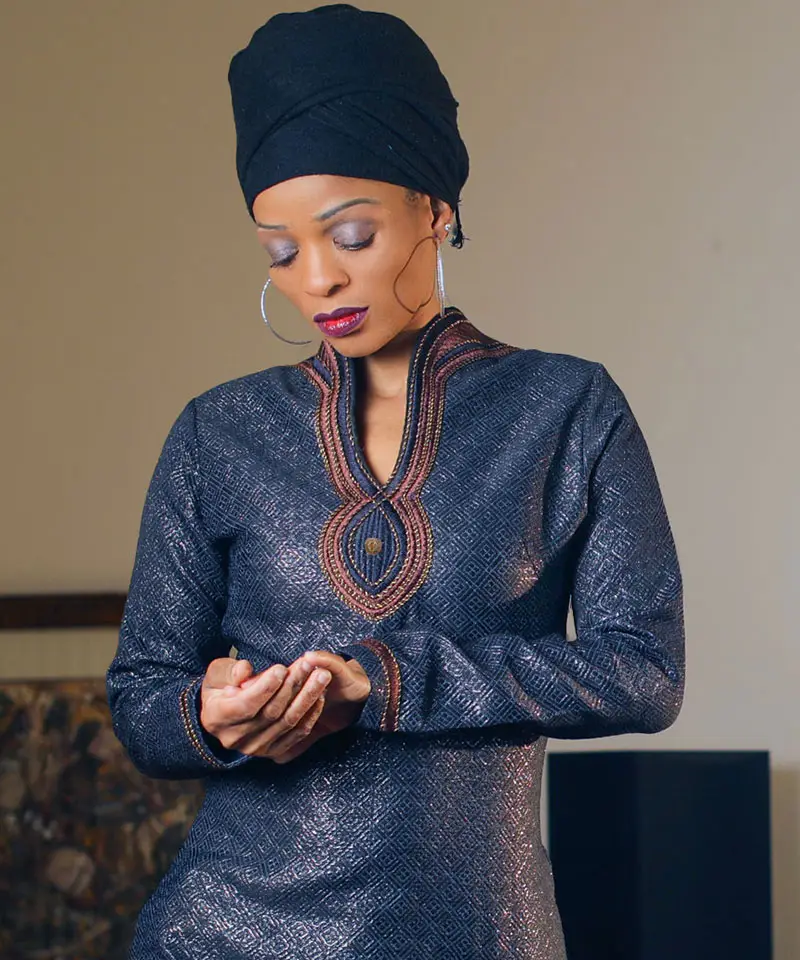
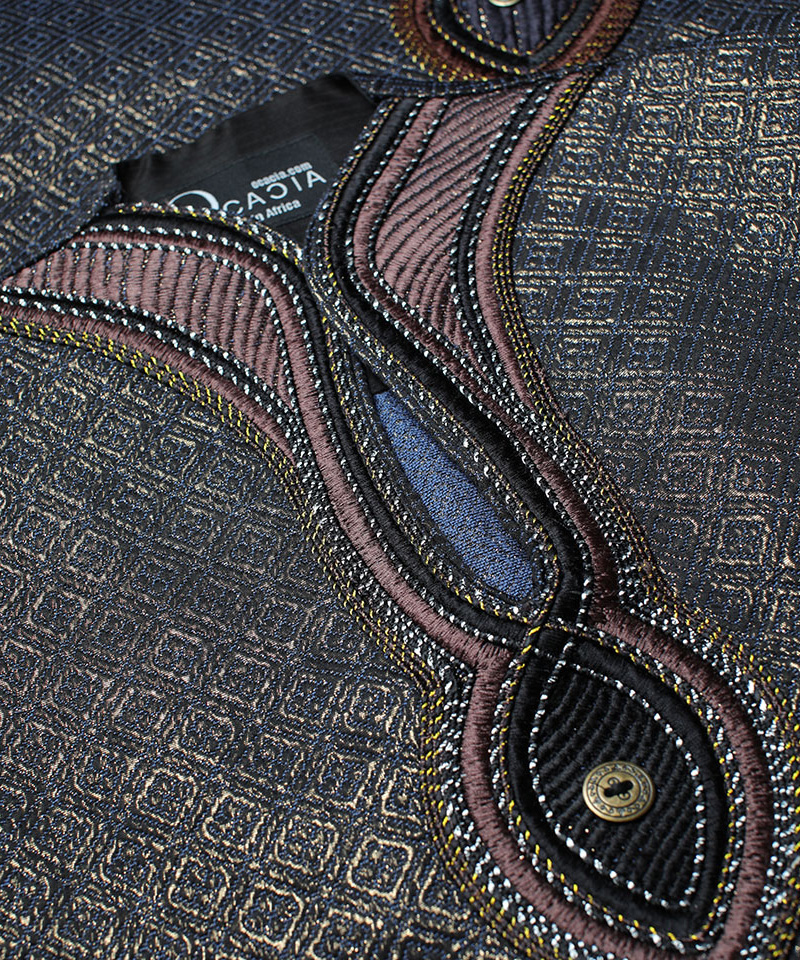
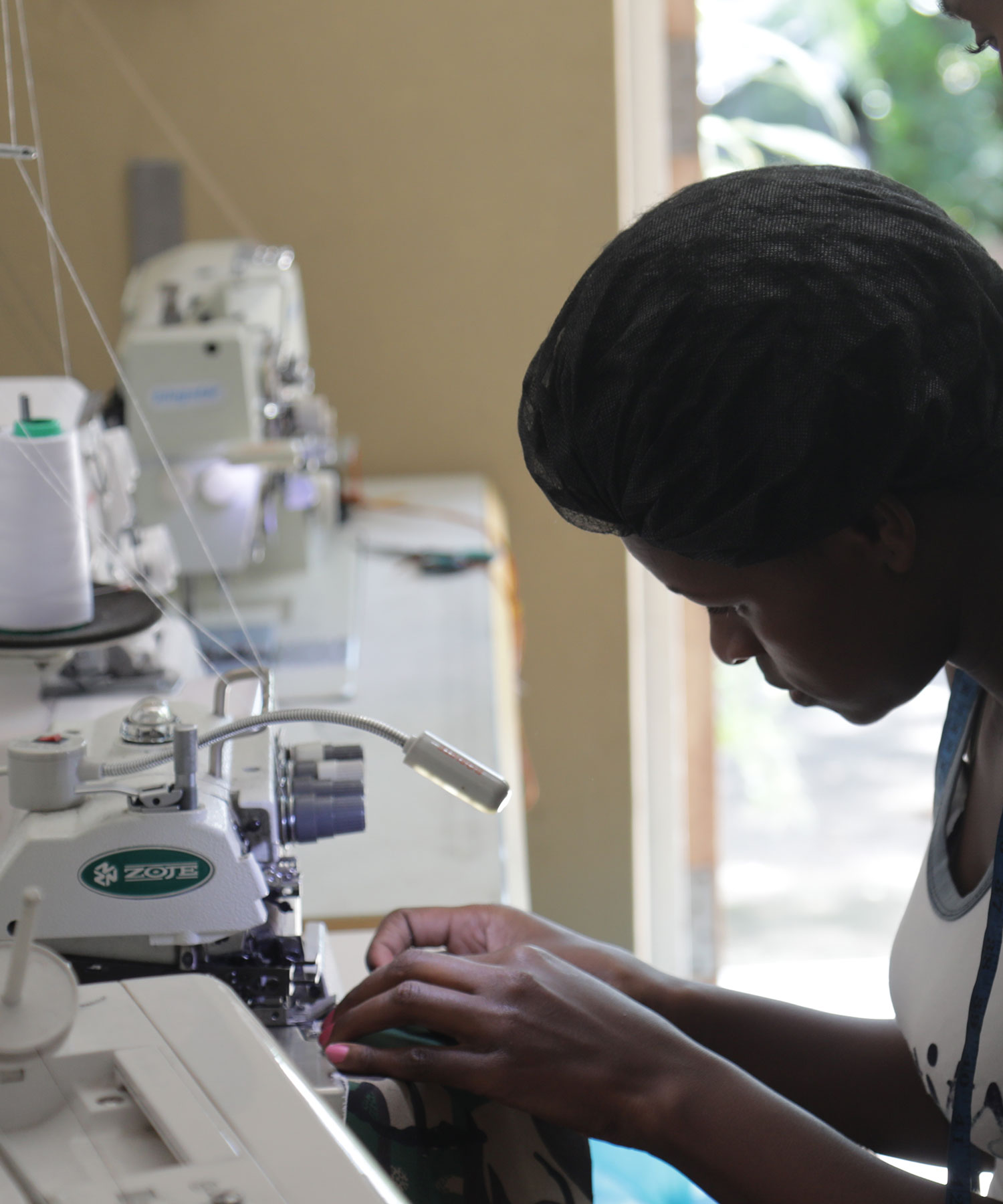
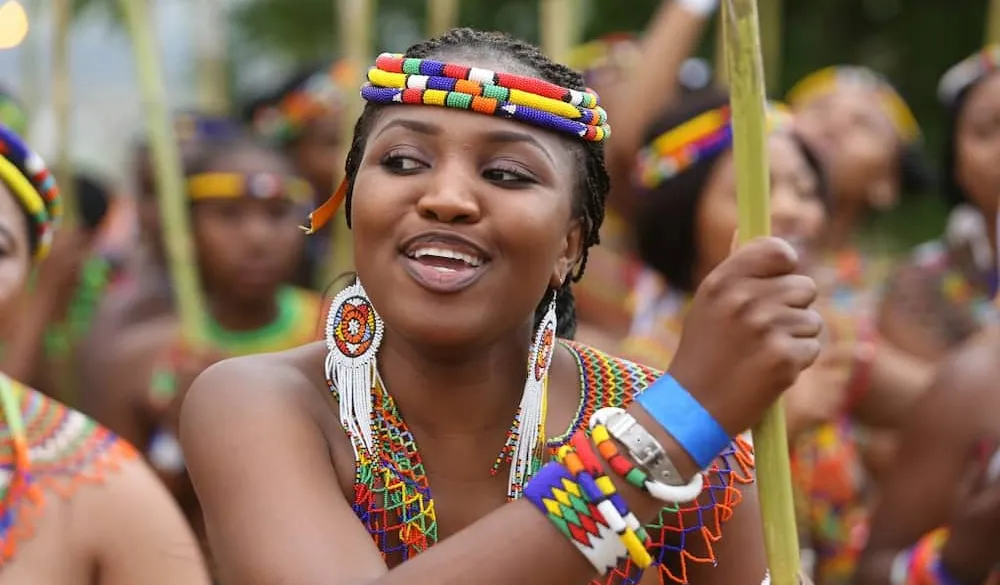
Today, as we at Ocacia explore the African aesthetic, we see it more as a framework that engages with diversity all over the world to find a unique voice. That voice goes beyond mere aesthetics because it is also economically empowering. Authentic in this sense is less about the origins of something and if it empowers the community. In South Africa, we have Shweshwe, which is sold as “authentic”, but like the Chinese African print, how is it really authentic when its economic relationship to our communities is null? Just like something consciously manufactured for our communities from outside cannot be authentic because it lacks our agency. It also cannot be considered authentic, regardless of how popular something is when it stands incongruous with our natural selves. (1)
If you are burning your hair straight, wearing the dead hair of an Indian woman, and then bleaching it blonde, it would be very strange to deny the billions of pounds of pressure that made you feel the need to do that.
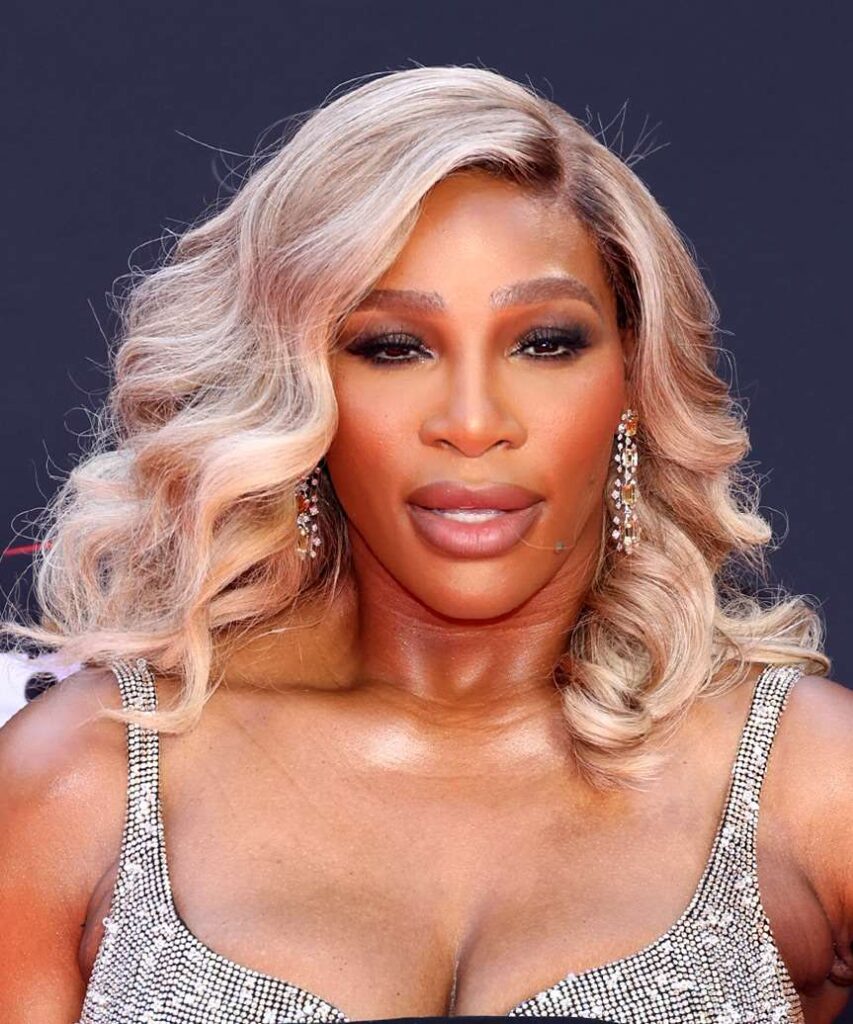
LIPSTICK AUTHENTIC
A lot of people in our online society go on about “authentic self”. But is that a final destination? And that is the problem with the concept. Because this life is a journey, there is no “authentic self”. And the forces that shape your identity are hardly benign—mass media, political control, consumer culture, engineered social trends.
You have to evolve, and sometimes evolution does not mean better. From a design perspective, there is no “authentic” African identity on our path, because we are always discovering new expressions of what it means to dress African.
See less
RUNNING TO THE MATRIX
Running from a traditional culture into a capitalist consumer is hardly “discovering the real you”. That “you” is a product of capitalist pychologist and economist and branding experts. And now, AI machine learning is used to get you to behave in a way compatible with consumption. You are the furthest thing from the “true you” if that is a thing that could ever exist. So the people who go on so much about this selfish “TRUE SELF” are usually the most socially modified people out there. Bland culturally monolithic robots on TikTok all reading the same Judith Butler books.

So, I was watching this video about an Indian woman, from an Islamic background, who complained about finding her selfish authentic self, and all it really was was a rebellion to the expectations and norms of her cultural society. But in exchange for what? The 90210 lifestyle on Netflix? It is ironic that these Iranian feminists all over the world, for all their escape from their “oppressive society and values,” seem to run straight into those of the capitalist, sexually exploitive, amoral matrix. They discard their culture for that of mainstream Western, manufactured AI-generated psyop Western society. Is that your authentic expression or one manufactured for you in a lab by bankers, market psychologists, and algorithms? Is that your authentic? Because then “The West” must be the global benchmark of authenticity.
WHAT AI SAYS
The idea of an “authentic self” is increasingly viewed as a myth, with experts suggesting it is a social construct rather than a fixed, internal reality. Instead, individuals are considered dynamic, constantly shifting beings who adapt their personas to different situations. The belief in a “true self” is more of a useful psychological concept for understanding oneself and building relationships rather than an actual entity to be discovered. [1, 2, 3, 4]
Key Perspectives on the “No Authentic Self” Concept:
- Performative Roles: Sociologist [Erving Goffman] argued that people are actors playing different roles, with no underlying “true” identity behind the masks, according to [Vox Magazine].
- Shifting Dynamics: Personality is better understood as a “constantly shifting kaleidoscope,” not a static picture.
- Useful Myth: While not “real” in a literal sense, believing in an authentic self helps people manage relationships and understand behavior.
- The “Shadow” Aspect: Some aspects of the self are hidden or unconscious, as explored by the [Shadow Self concept]
- Search for Meaning: People often crave a sense of deeper meaning, comfort, or a “higher” consciousness beyond their daily roles.
- Social Approval: Ironically, feelings of being “authentic” often align with activities or traits that are socially rewarded rather than some profound inner truth.
TOOLKIT
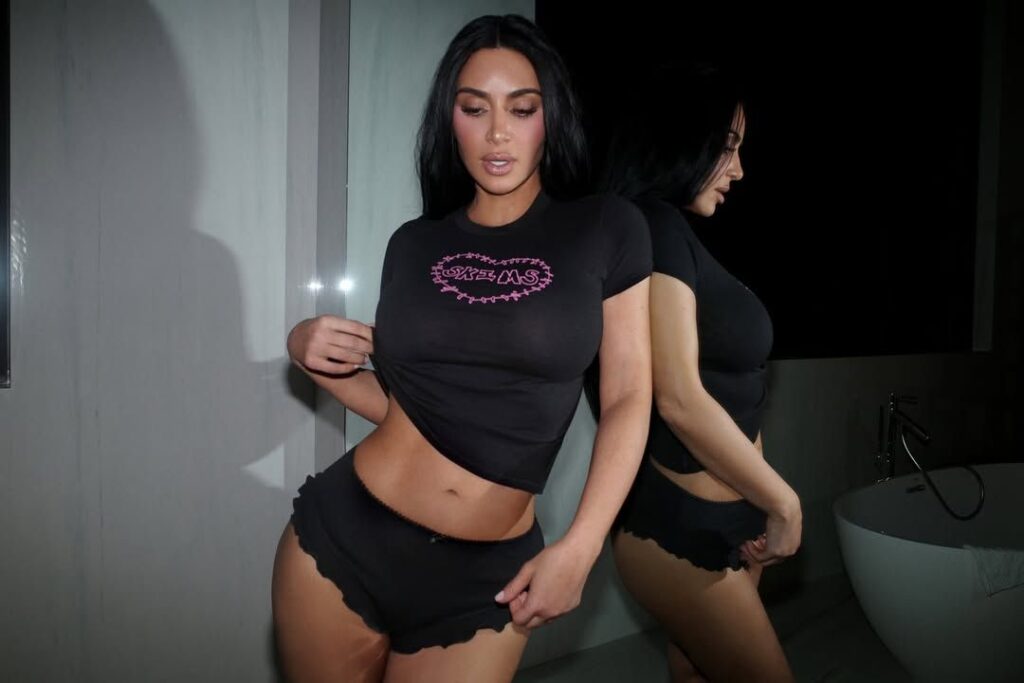
Understanding is key, because without a full understanding, we end up slaves of someone else’s project while confusing it for true expression. There is nothing in human culture that comes close to being authentic, especially our lifestyle. We might mix and match as much as we want but there is nothing close to original that any of us is capable of. The so-called “rebellious” group all ironically look like Kim Kardashian after her AI airbrush.
NOTES
1. When an aesthetic is actually destructive to our health. While debatable because heels are destructive and so is Chinese footbinding.