Intangible African Knowledge
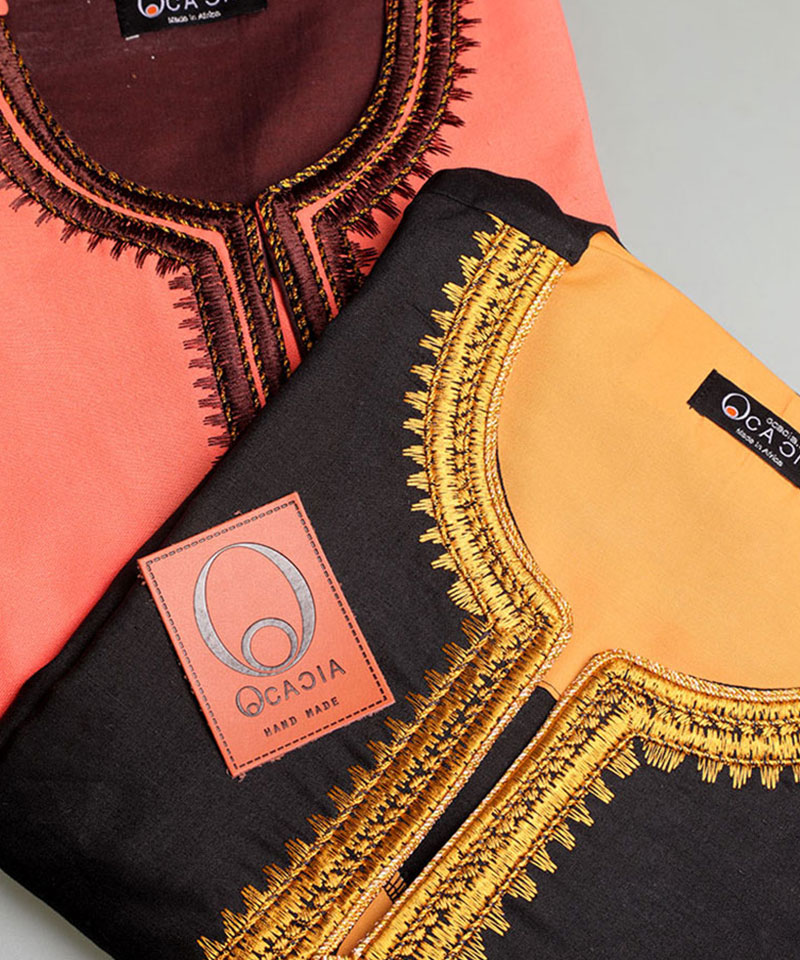
Many people ask, including me, if they got to the moon 50+ years ago with funky tech, clearly it should be easier today with today’s technology. But what I learned was something not only true for going to the moon but also for our African arts. You see, you can document so many things on paper, plans, ways of doing things, but there is a type of knowledge that cannot be stored in a book. That knowledge lives in people, and once those people are no longer around, it is lost.

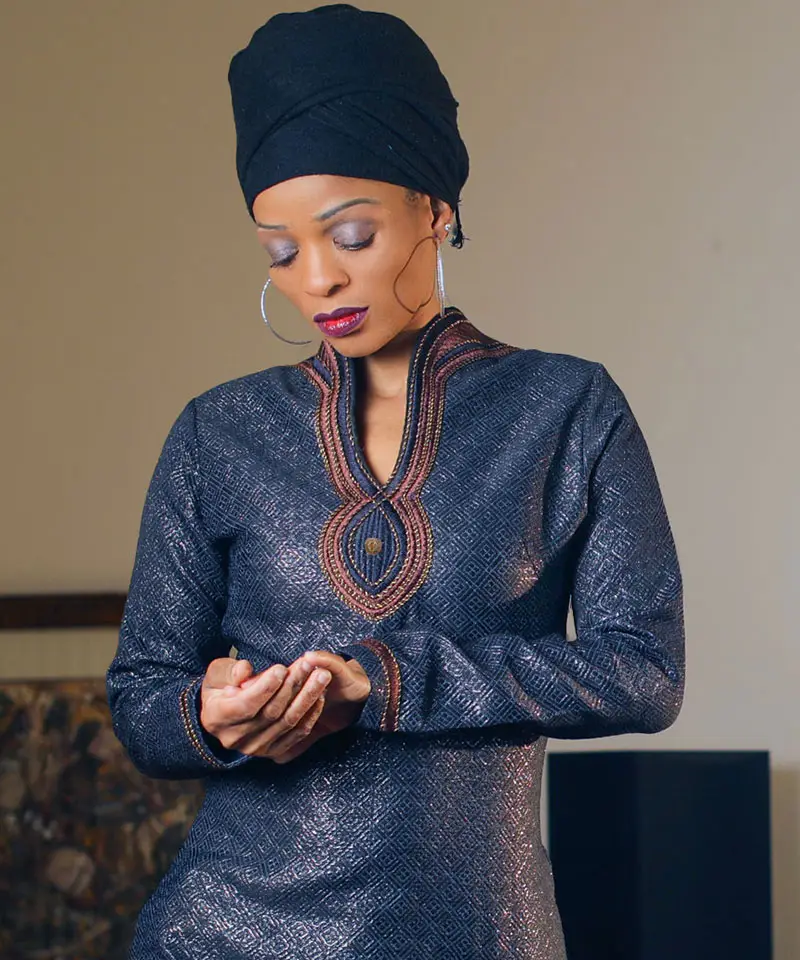
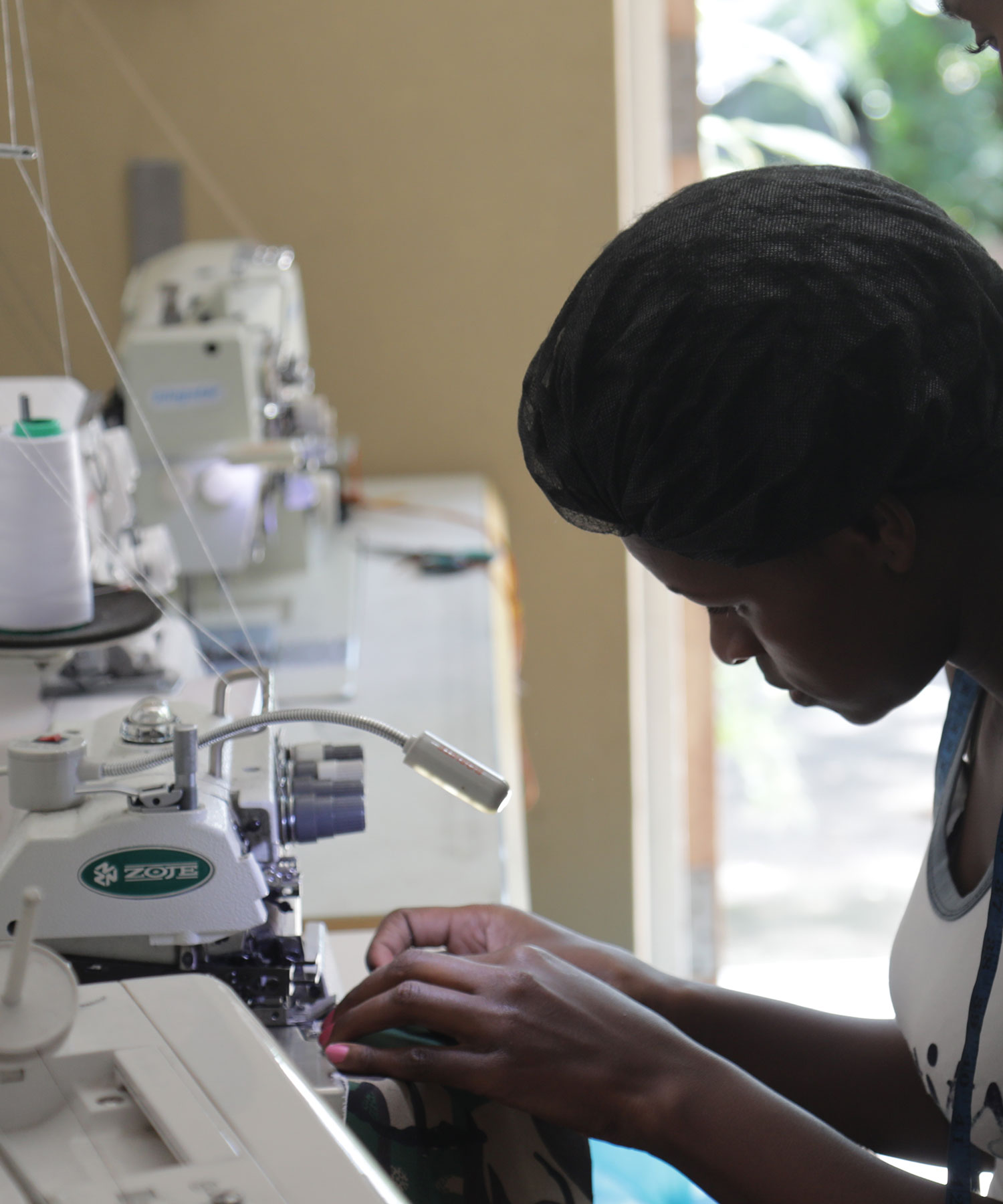
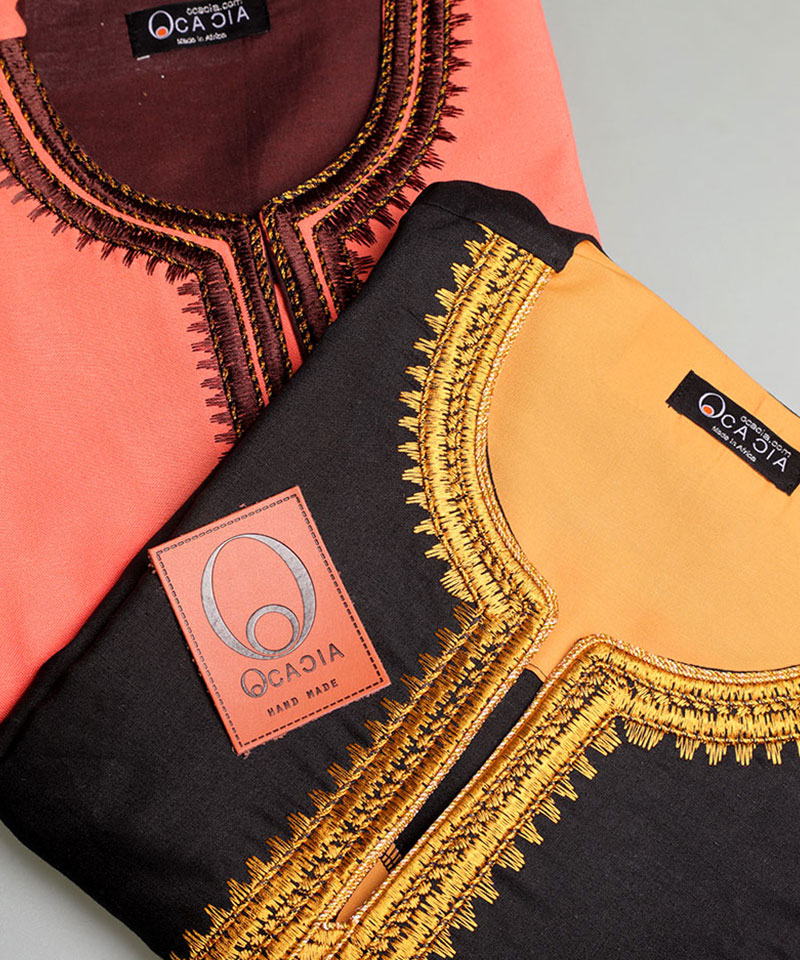
And this is why knowledge is more complex than what is written down. How do you write down the Ocacia clothing knowledge? And in Africa’s history, from KMT to Axum, how do we preserve that knowledge? This is why you look at Egypt today and Ethiopia, and despite being the same people of great times, they have lost that connection to their knowledge. The same thing happened to the Greeks. As a result European civilization had no connection to the ancient Greek knowledge; it took Muslims to restore the Greek knowledge to Western culture. And it only takes one generation to lose it all. Even the ablity to articulate what is written here can be lost in one generation.
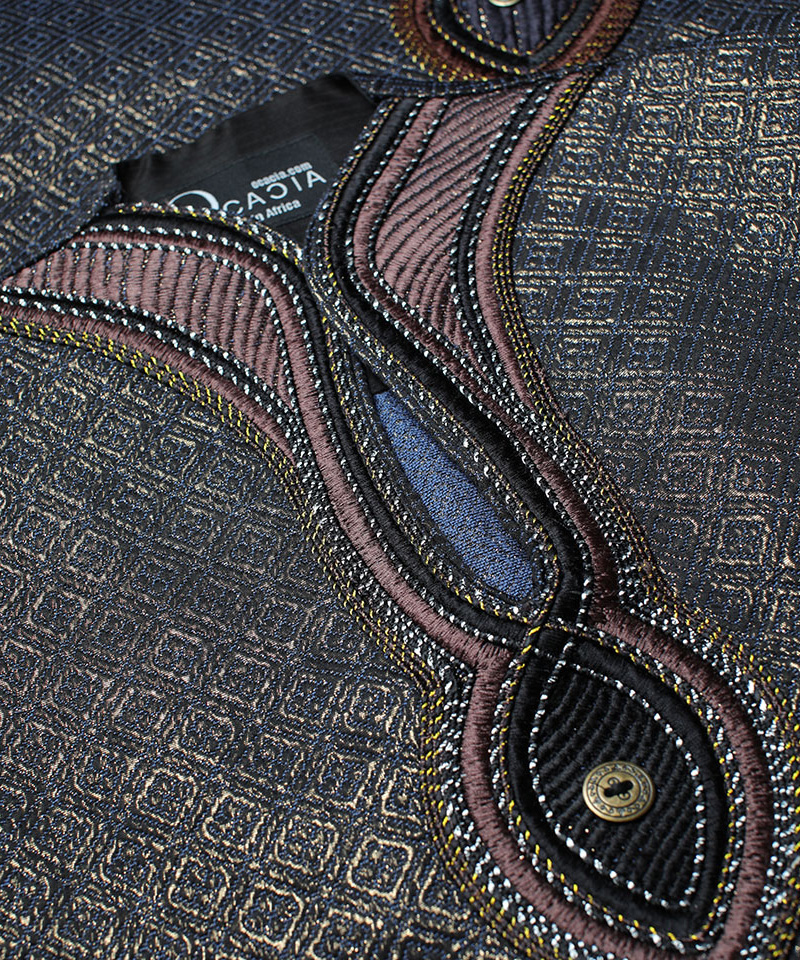
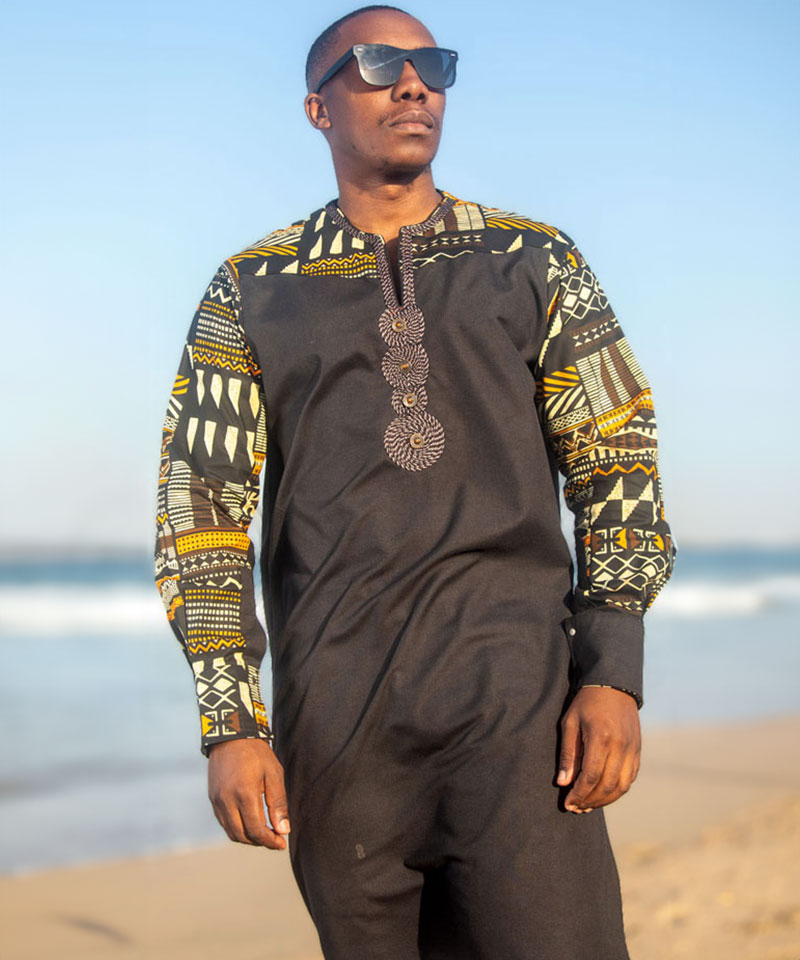
This is one reason why the mission to the moon is so difficult, despite us being more advanced in every way. And it is a warning to us, now and future generations to preserve what we have for posterity. The same is true for African embroidery arts, Japanese swords, and Swiss watchmaking as it is for Artemis.
VALUE
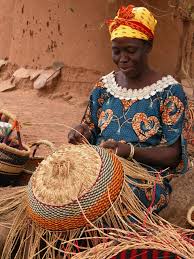
What value do you have for the African arts and sciences? Only the people alive right now can determine that. Only we get to choose to support what Ocacia is doing (and by extension, the great work of the African Holocaust ) as Fanon said. Every generation has to decide to fulfill its mission (whatever that may be, to preserve the best of what represents them) or betray it. As a definable group, we have a history of betraying our greatness from hip hop to jazz to breakdance, freestyle music, to African fabric making.