Designers and their Designs
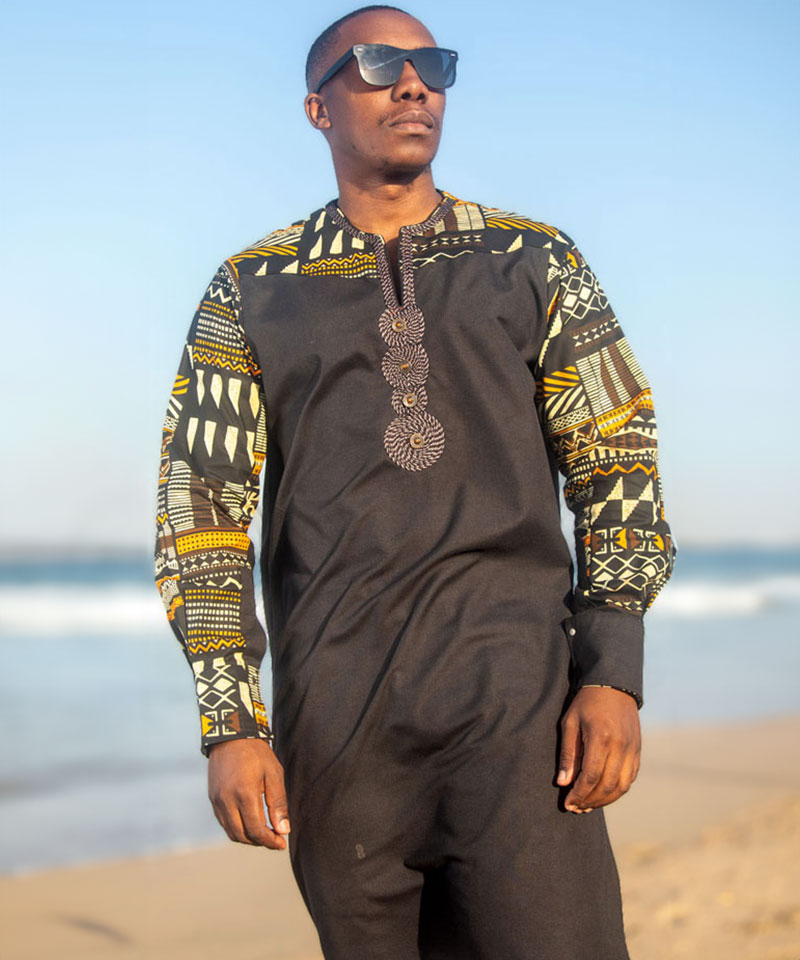
Designs are unique; they should have certain characteristics to discern them from a tornado passing through a sewing room and randomly scrambling fabric together. They must show signs of an intelligent process. This is what guides us and what we think should be part of the discussion for a more definable African fashion industry.
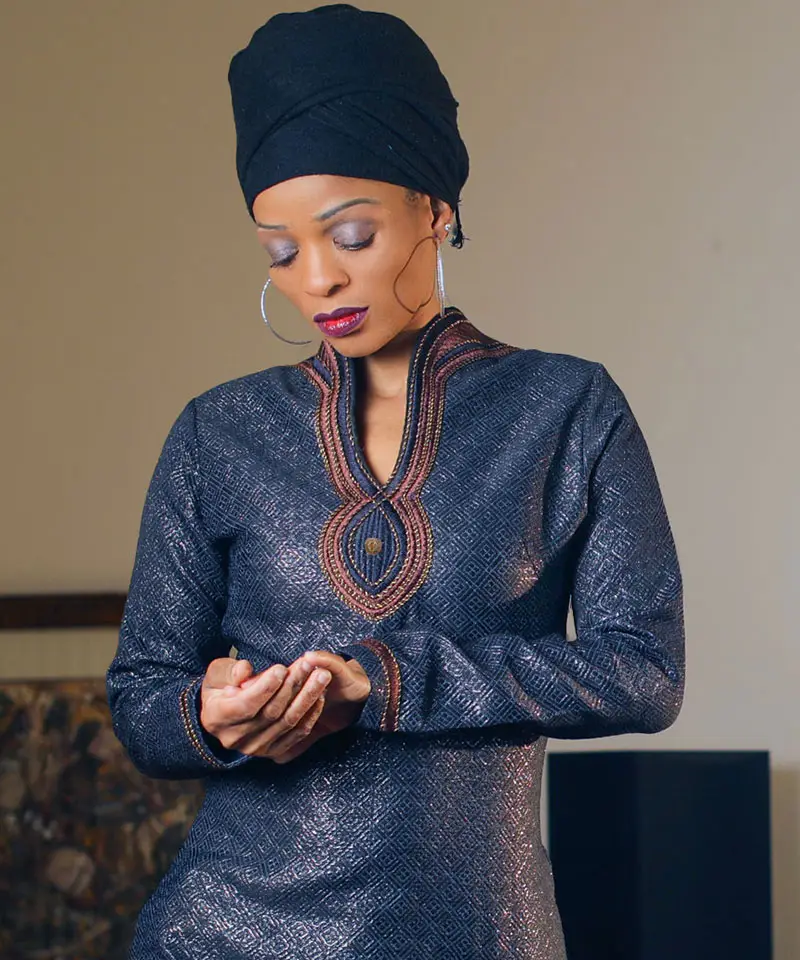
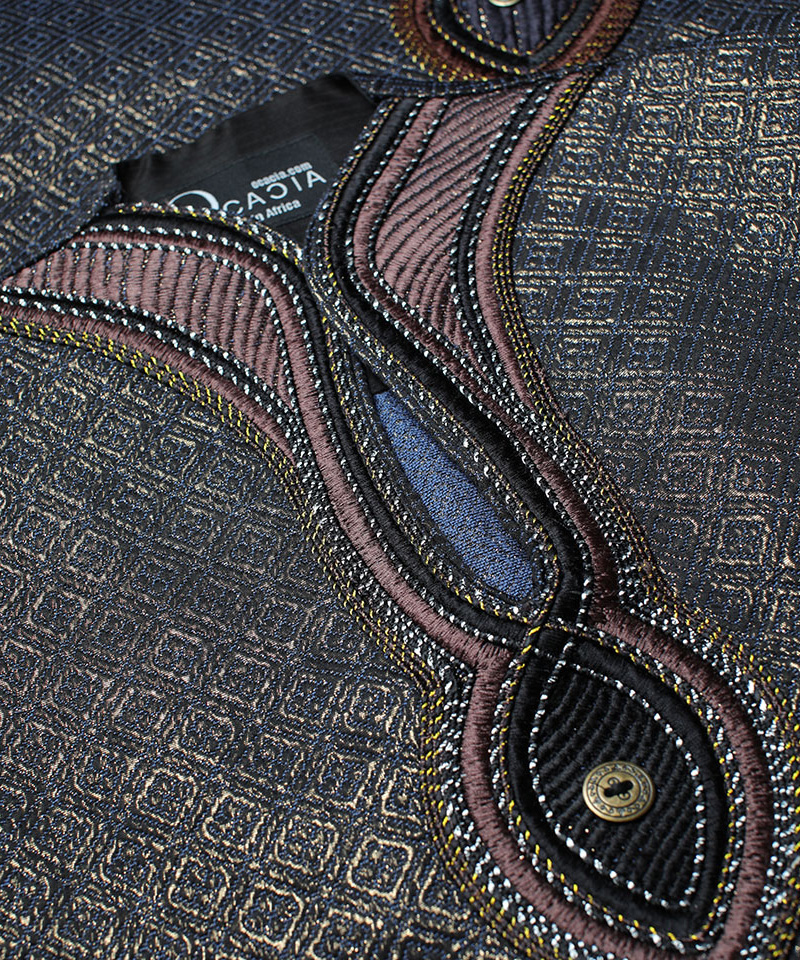
What constitutes a polished professional design is the interaction between all the various elements within a given aesthetic. The casual or lay hand cannot produce work like this because they do not have that gift. Shapes, colors, and textures are all combined to make a singular statement. Below the Indian fabric is complemented with an embroidery design which includes a sheriba rope being made to match the fabric. It has a purpose and every aspect of the design is in harmony with other aspects of the design to create a united aesthetic.

I cannot respect anyone who calls themself a designer who depends exclusively on fabric to make their design. You can do that now and again (as we do) but you have to design something. Imagine the same Ford Escort with new colors year after year. Would anyone treat the person doing that as a car designer? What many fake designers do it take these European blocks and replace bits and pieces with “African” Chinese print. Where is the design in that?
The lack of institutions behind African design makes it not serious. It operates, like African filmmaking in the informal zone and as such doesn’t have any boundaries to work with to define itself in the globalized world.

Clean is also a design statement.
WHAT IS NOT A DESIGN
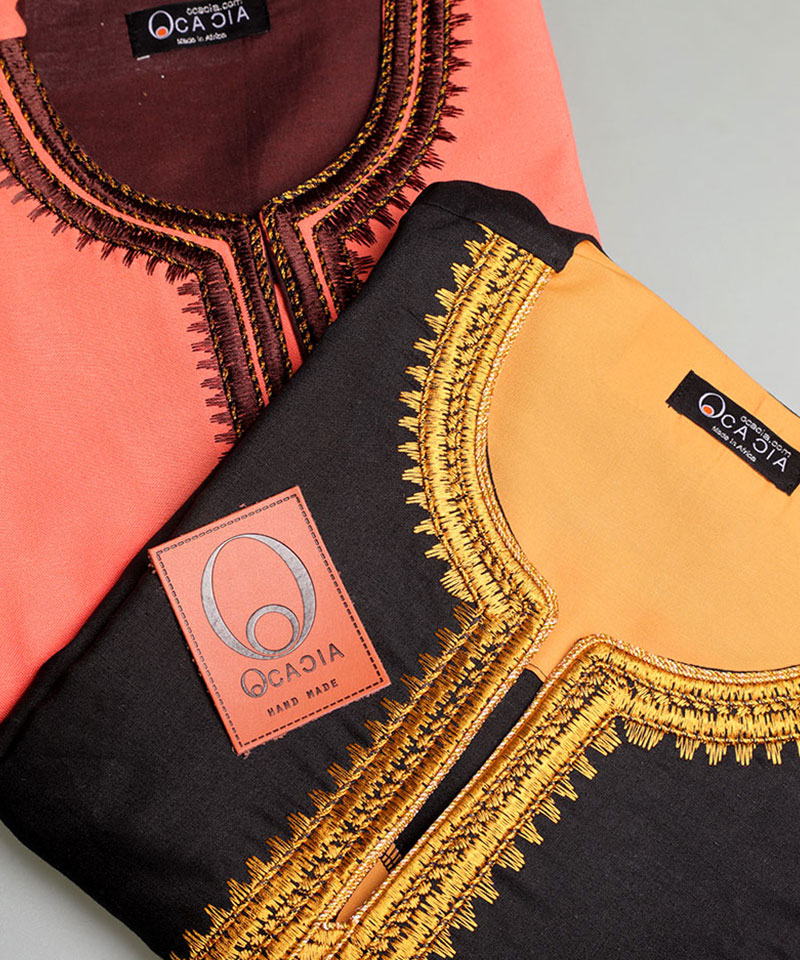
What is NOT design is to take preexisting designs and switch out the fabric. I am not saying it should not be done. I am just saying it doesn’t seriously constitute a new design. And that is why we have our Odway range because it is the same design with different colors. It is not 10 designs, it is only one design with different flavors. These are our guidelines which force us to get serious when designing new clothes. It must be a NEW design to be treated as one.
I will excuse Versace who heavily rely on print as an aspect of their design. And why they stand out is because they design their prints. Very different to picking someone else’s print and that being the entire cornerstone of what is special about your design.

Now look at the interior designs below and see a series of interconnected components that create a whole statement.


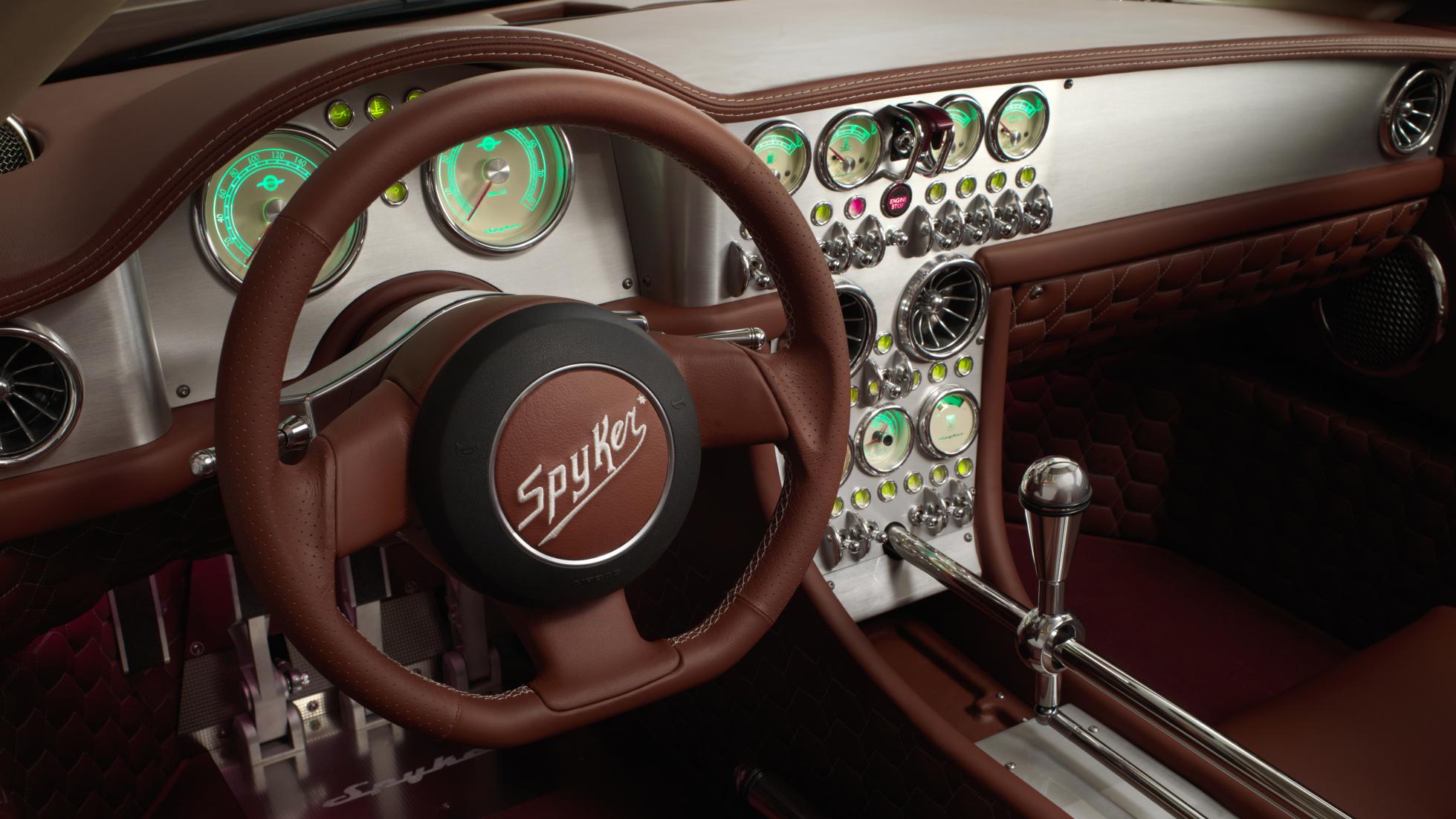
Having a camera and shooting a Nollywood film does not make you a serious artist. There is something that goes into it. Throwing random pieces of fabric together in cliche ways does not make someone a designer. Many clothing shops have these thoughtless designs none of them are considered fashion designers. The photo below is NOT a serious design.
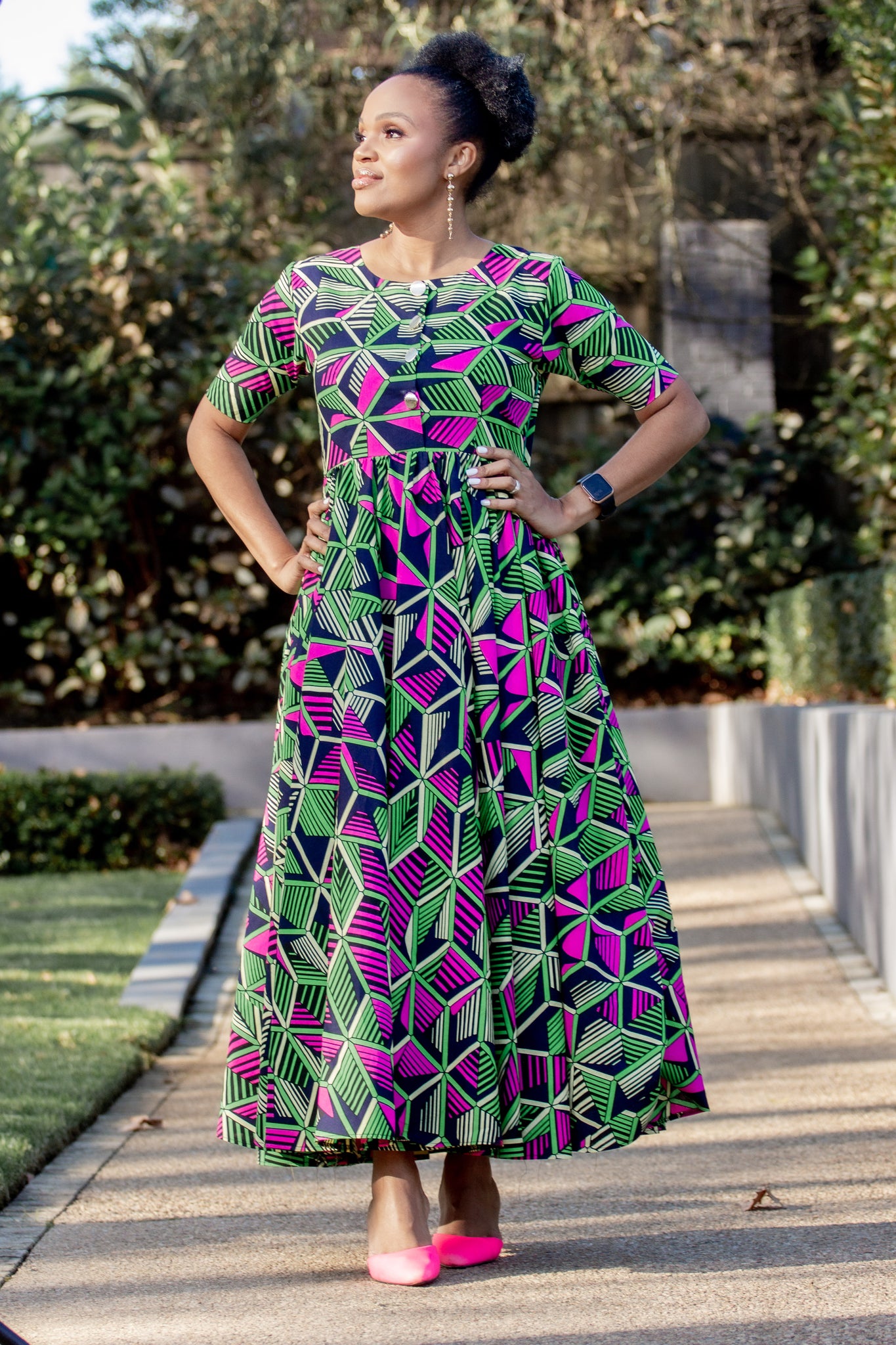
or
But I would give more props to the design below (from a Nigerian designer) as more detail and purpose.


Now it becomes clear as day and night when we compare to real top-notch designers.
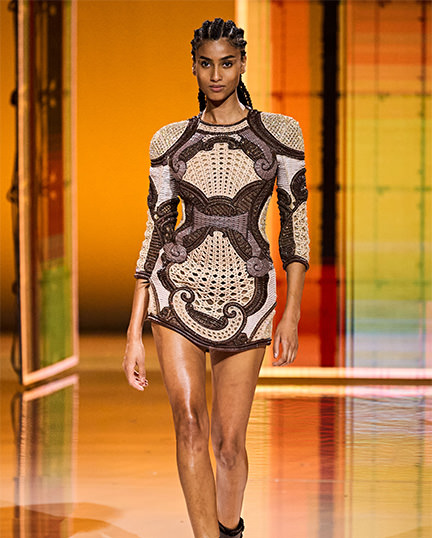
And it has nothing to do with if we like it or not. Ugly as the shoes below are, they are a unique design, designed by someone who clearly is not some random person with pen and paper.

And not all top designers hit home runs, the bulk of their collection is made up of utter rubbish.
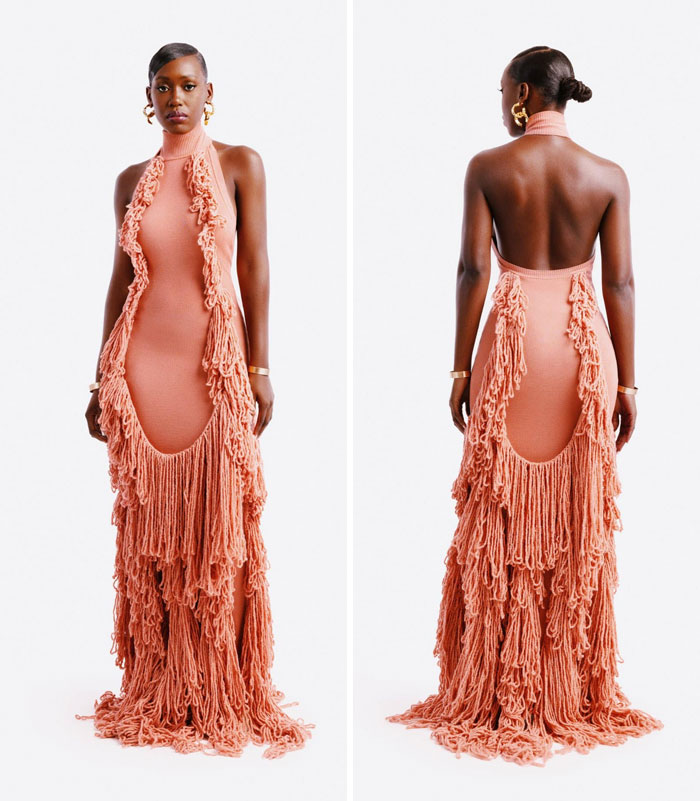
The below is clearly a “design” and very controversial and innovative, unfortunately it is also very ugly.


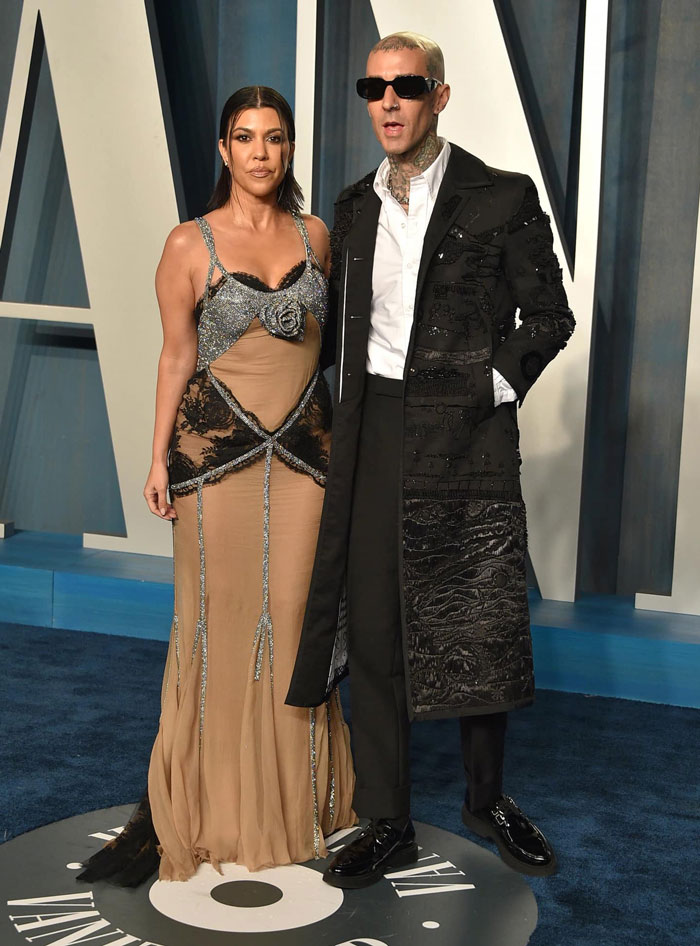
SIMPLICITY IS ALSO A STATEMENT
The reason why people might look down on a simple design, at first glance, is because it takes no talent to blend a plain design. In our design below it is just black fabric. Hardly a challenge. But when you look closer at the pocket detail, the cuffs, the stitch quality, and the tiny accents you realize even simple is not simple. A simple design might be complex or heavily reliant on skills because it has nowhere to hide. Some of the easiest designs are the messy busy ones where mistakes cannot be discerned. Where do you hide a mistake here:
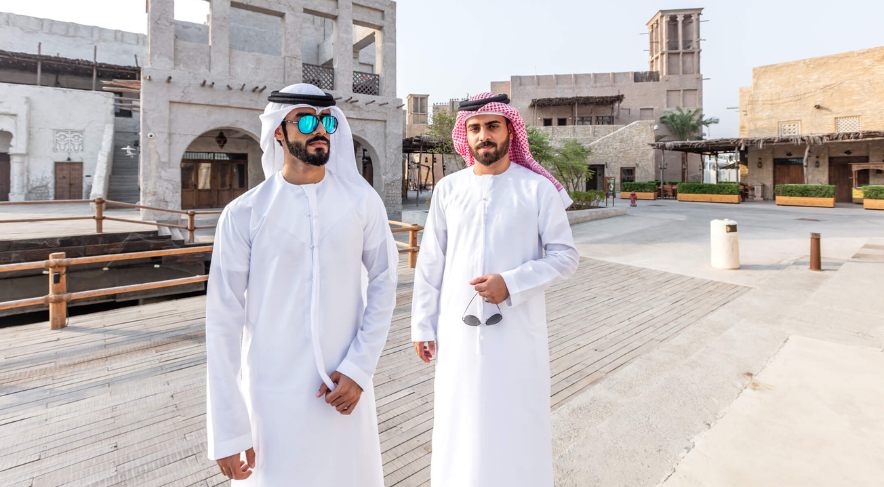
OUR APPROACH TO DESIGN
We have always felt that African fashion is lacking in sophistication because it is largely undefined. So a European dress with zebra and elephant print is “African”. But jazz is not jazz because it is a European song played by an African or some superficial patina. And we believe African clothes as a collective need a more overt aesthetic to be defined as African beyond some ugly Chinese print. These guidelines help us in the design process as we are then forced to innovate and not be predatory.

Our kente jacket while not overly a new design has in subtle detailing which delicately brings an African aesthetic into a classic denim shell.

French cuffs are not African, but how we integrate them into our African designs brings them within an African aesthetic. We are borrowing from the world, the same way jazz may borrow a piece like “Favorite Things” and do something unique with it.
STRUCTURE AND STUDY
Do you need to attend some fancy university and study all of this stuff? Here is the problem ALL serious art forms have institutions. I could go to top universities like Julliards and study Jazz. Why? Because Jazz is sophisticated enough to have structure and be something worthy of deeper study. So how can we have a complex artform like African fashion which has no formal anything? And where there is lack of formal structure there is almost always lack of true development. We wrote one of the first articles on African embroidery with names and documentation of all the various processes. Doing so adds some necessary structure to the thing. Again what seriously developed anything in this world exists without an institution? (see our article on this topic).